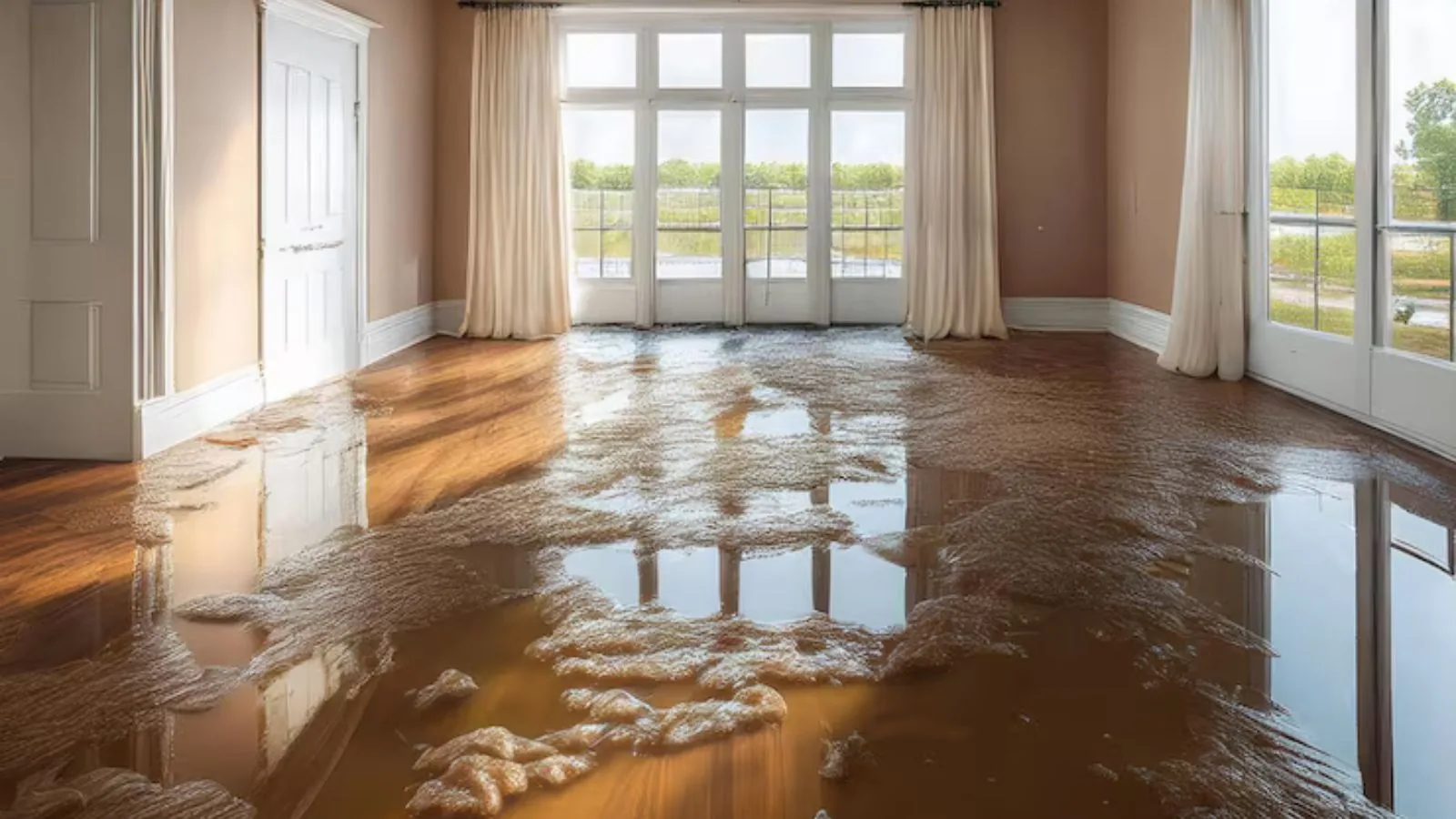
Homeowners often ask whether a permit is needed once the water is out and rebuilding begins. The honest answer is that it depends on what you are rebuilding and on which municipality you live in. This guide explains how the question is usually decided in Pennsylvania, so you know what to ask your township or borough.
We are not code officials, and we cannot give a permit decision for your address. Your municipal code office can.
Who decides in Pennsylvania
Pennsylvania's Uniform Construction Code sets statewide building rules, and each municipality chooses how to administer it. Some run their own code office, some hire a third party agency, and some leave it to the state. In practice you start with your township or borough office, and they tell you how it works for your address.
Huntingdon Valley is not a municipality. Most of it lies in Lower Moreland Township, with parts in Abington Township and elsewhere, so your address decides which office to call.
Ask your township first. Call (833) 521-1033 for drying.
Call (833) 521-1033Work that often needs no permit
Cosmetic and like-for-like repairs often do not need a permit. Drying, extraction, cleaning, painting and replacing a small section of drywall with the same material are commonly in this group. Check anyway if you are not sure, because rules differ.
Work that commonly does need one
Permits are more likely for work that changes structure, systems or the layout. A rebuild after a loss can include several of these items.
| Work | Permit likely? | Why |
|---|---|---|
| Painting, flooring, trim | Usually no | Cosmetic |
| Replacing small drywall sections | Often no | Like-for-like repair |
| Replacing damaged framing or joists | Often yes | Structural |
| New or moved outlets and circuits | Yes | Electrical |
| Replacing water heater or piping | Often yes | Plumbing |
| Re-roofing after storm damage | Often yes | Building envelope |
| Finishing a basement | Yes | New habitable space |
What to ask the code office
- Does my work need a permit, and which kind?
- Do licensed trades need to pull their own permits?
- How long does review usually take?
- What inspections are required?
- Do historic district rules apply to my property?
Why it matters for insurance and resale
Unpermitted work can complicate a later sale or an insurance claim. Buyers and their inspectors look for permits, and insurers can ask for them. Keeping permit records with your restoration paperwork saves trouble later.
Contractor licensing and permits
Pennsylvania requires many home improvement contractors to register with the Attorney General's office under the Home Improvement Consumer Protection Act. Electricians and plumbers have their own licensing in some municipalities. Ask any contractor who will perform each part of the work and which registrations or licenses apply.
A contractor who suggests skipping a permit to save time deserves a second look. Permits are the municipality's record that the work met code.
Timing and planning
Permit review can add days or weeks, so plan for it. Emergency drying and temporary protection usually go ahead right away, while permitted rebuild work waits for approval. Ask your contractor to separate the two phases in the schedule so drying is not delayed.
If you are working with an insurer, tell them about the timeline. Delays are easier to explain when the paperwork shows a pending permit.
Historic and special areas
Properties in historic districts can have extra review for exterior changes. Bryn Athyn includes a National Historic Landmark District, and Fetter's Mill Village is a National Register historic district. If your home is in or near one of these areas, ask your municipality whether any review applies before you change exterior features.
Interior repairs are usually less restricted, but ask to be sure.
A simple order of operations
Following this order keeps emergency work moving without cutting corners on the rebuild.
- 1
Stop and dry
Stop the water and start drying. Temporary protection rarely needs a permit.
- 2
Document
Photograph damage and keep moisture logs before any demolition.
- 3
Call the code office
Describe the planned rebuild and ask what permits apply.
- 4
Hire the right trades
Choose contractors who will pull permits for their own work.
- 5
Schedule inspections
Ask when inspections are needed so walls are not closed too early.
Three offices in our service area
Lower Moreland Township, Bryn Athyn Borough and Jenkintown Borough each cover their own territory, and Southampton sits in Bucks County, with its own township offices. We do not list fees or timelines here, because they change and are set by those offices.
If you are rebuilding in Fetter's Mill Village or near the Bryn Athyn Historic District, ask whether any review applies before you alter exterior features.
Questions people ask
Do I need a permit for drying?
Typically no, but ask your municipality. Drying equipment is temporary and not construction.
Do I need a permit to replace drywall?
Often not for small like-for-like repairs, but larger rebuilds may. Ask your code office.
Who pulls the permit?
Licensed trades often pull their own for electrical and plumbing. A general contractor may handle the rest.
What if I already did unpermitted work?
Talk to the code office. Some municipalities allow retroactive permits.
Does my insurer need permit records?
They may ask for them, especially for larger rebuilds. Keep copies.
We handle drying and the early stages of recovery, such as structural drying and wall and drywall repair. Rebuild trades coordinate their own permits. We serve Bryn Athyn and Southampton as well as Huntingdon Valley. Call (833) 521-1033 with questions about the drying side.