Water Damage Guides for Huntingdon Valley, PA Homeowners
Plain-language answers to the questions people ask after a leak, from insurance and estimates to mold, permits and rentals.
These guides answer questions that come up after water gets into a house. They cover insurance, mold, estimates, permits, selling a home and renting. They are written for Huntingdon Valley homeowners, tenants and landlords, with local facts where they help.
Each guide is written by our team from public sources and industry standards such as ANSI/IICRC S500 and S520. None of them replace advice from your insurer, an attorney or your municipality, and each one says where to turn for that.
For help with active water, call the 24/7 line. For everything else, start with the guide that matches your question.
All guides
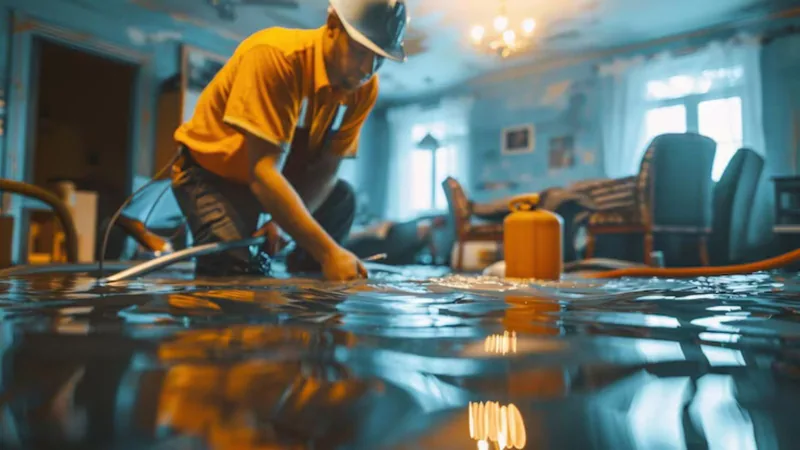
Does Homeowners Insurance Cover Water Damage in Huntingdon Valley, PA?
Sometimes yes, sometimes no. The cause of the water decides most of it, and the exact wording of your policy decides the rest.
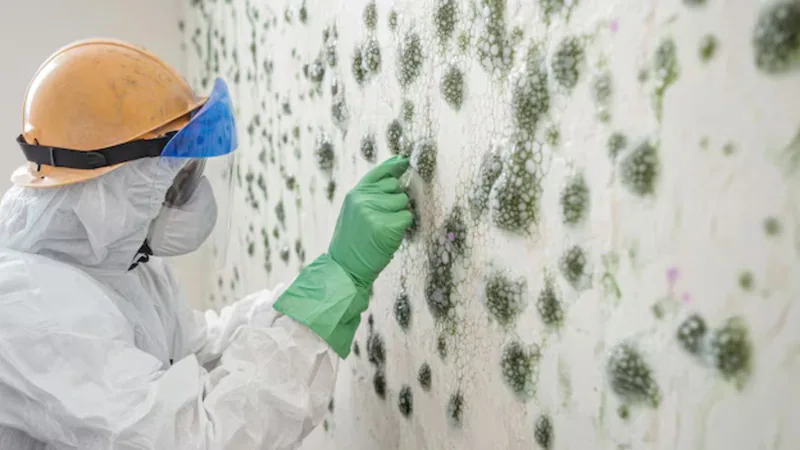
What Is Mold Remediation? A Huntingdon Valley, PA Homeowner Guide
Mold remediation removes or cleans mold growth and fixes the conditions that fed it. It is a process with steps, not a spray.
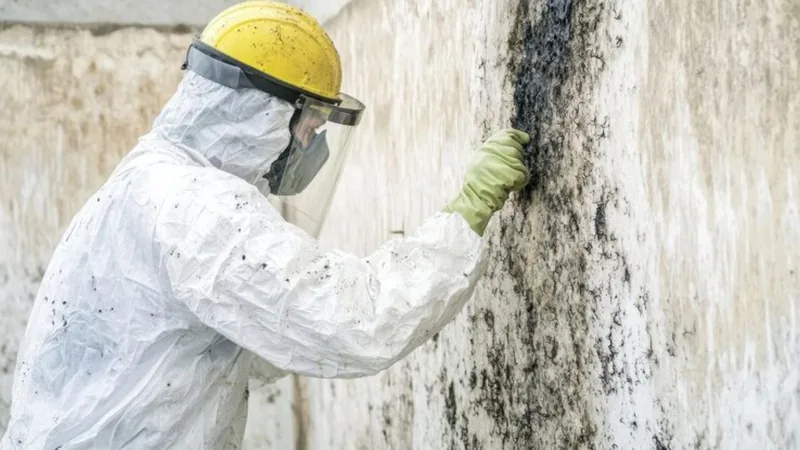
Mold Damage Removal: What Comes Out and What Stays in Huntingdon Valley, PA
Once mold has grown into a material, the question is simple. Can it be cleaned, or does it have to go? The answer depends on the material.
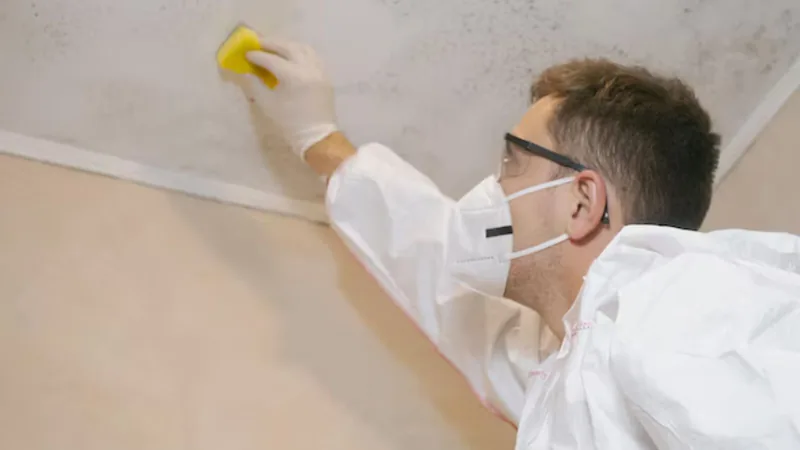
Mold and Mildew Removal: Cleaning Versus Calling a Pro in Huntingdon Valley, PA
Small surface growth on a hard bathroom surface is a cleaning job. Growth in drywall, in a closet or across a large area is not.
What You Can Dry Yourself After Water Damage and What Needs a Professional
Small spills of clean water can be handled with towels and fans. Larger or dirtier water needs equipment and measurement.
What to Keep, Clean or Throw Away After Water Damage in Huntingdon Valley, PA
The water category and the material decide what is worth saving. Clean water and hard items are the easy cases.
How to Save Photos and Important Documents After Water Damage
Wet paper and photos can often be saved if you act within the first day or two. Mold and sticking are the main enemies.
Water-Damaged Electronics: When to Unplug and When to Stay Away
Safety comes first. If water is near outlets, panels or cords, do not touch anything until power is off at a dry panel or the utility has made the area safe.
Water Damage Restoration vs Remediation: What Is the Difference?
The words overlap in daily use. In practice, restoration puts a building back and remediation deals with a hazard such as mold.
What a Water Damage Restoration Estimate Should Include
A good estimate names the work, the equipment, the rooms and the assumptions. A single lump sum tells you little.
How to Read a Water Damage Scope of Work
A scope of work is the plan on paper. Read it before you approve, and you will know what the crew will do and what it will not.
Do You Need a Permit to Repair Water Damage in Huntingdon Valley, PA?
It depends on the work. Drying and cosmetic repairs often need none, while structural, electrical and plumbing work usually does.
Selling a House After Water Damage: Disclosure Basics in Pennsylvania
Pennsylvania sellers must disclose known material defects, and past water problems are a common one. Good records make that conversation easier.
A Sudden Jump in Your Water Bill: What It Can Mean
A bill that climbs with no change in habits often points to a leak. A quick meter test can tell you whether water is moving when it should not be.
Water Damage in a Rental: What Tenants and Landlords Should Know
Tenants report and document, landlords repair and dry, and each side's insurance covers different things. Written records protect everyone.
Water in the house right now?
Call now. Dispatch answers 24 hours a day, every day of the year.
Call (833) 521-1033