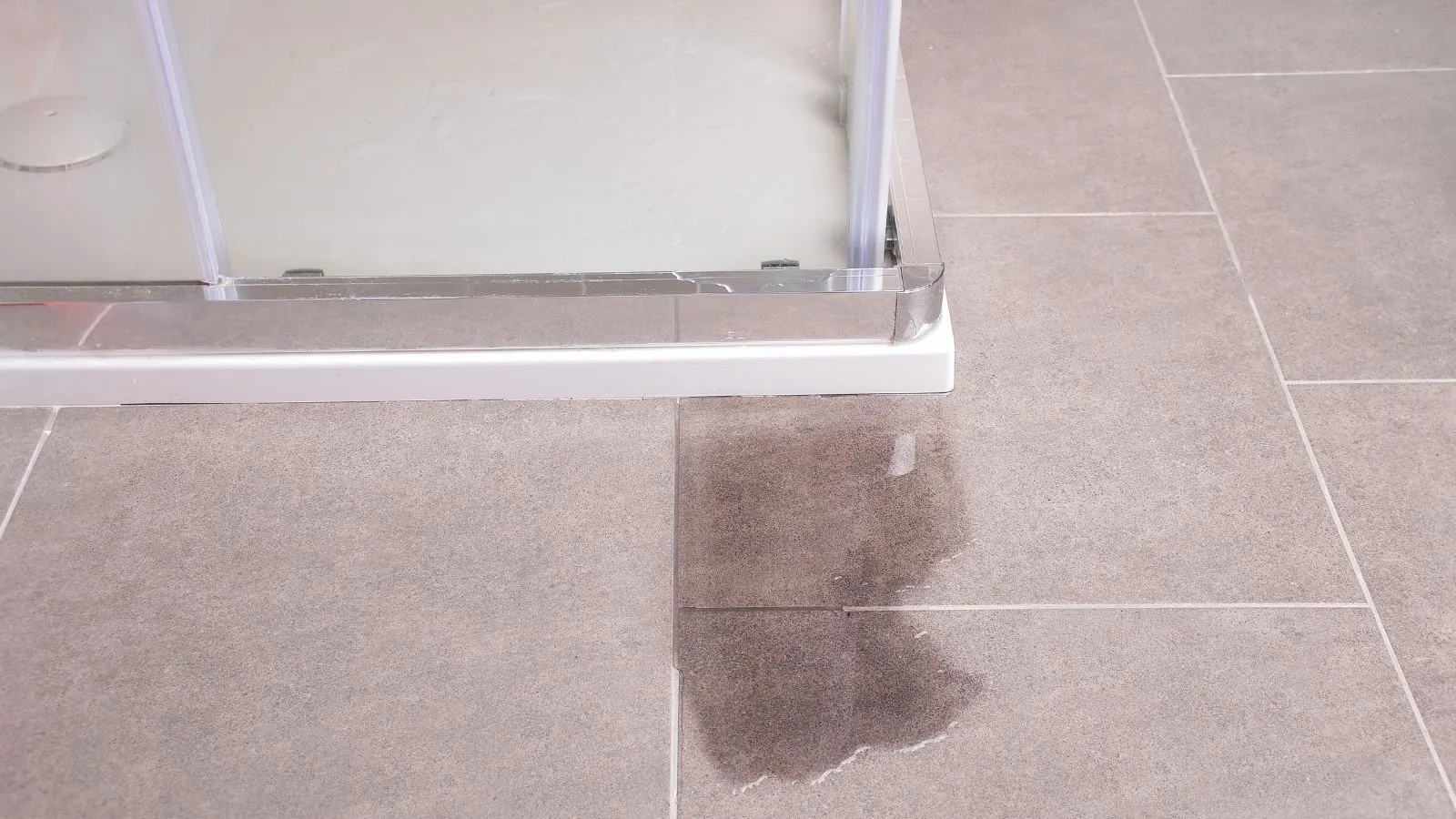
Sewage backup cleanup in Huntingdon Valley, PA deals with contaminated water that comes up through drains, toilets or floor drains. It is Category 3 water, which means it carries bacteria and should be handled by trained crews with protective gear.
This page is about sewage and sewer backups. For creek flooding, see flood damage cleanup. For a clean supply leak, see burst pipe water damage.
Drain backed up and water is coming out?
People rarely search for Category 3 language. They search for a drain that is backing up, a smell of sewage, dark water in the basement or a toilet that overflows. That is when to stop using water and call.
Do not run the sink, shower or washing machine, because that sends more water into the backup.
Sewage backup: what to do first
A sewage backup is an emergency, and dispatch answers 24/7. Keep people and pets out of the area, stop using water in the house and keep children away. Do not try to clean it with a household vacuum and do not touch it with bare hands.
If water is near outlets or the panel, call your electric utility or 911 before you call us. If the backup may be coming from the municipal line, call your sewer authority or township.
Why sewage needs special handling
Sewage carries bacteria and pathogens. Porous materials that touched it, such as carpet, pad, drywall and insulation, are generally removed, not cleaned. Hard surfaces are cleaned and treated. The crew uses protective gear and containment.
This is not a job for a household shop vacuum, which can spread contamination.
| Material | Typical outcome |
|---|---|
| Carpet and pad | Removed |
| Drywall and insulation | Removed to a measured line |
| Concrete and tile | Cleaned and treated |
| Wood framing | Cleaned and dried |
Cleanup steps
- 1
Contain
Barriers keep contamination in place.
- 2
Extract
Water is removed with pumps.
- 3
Remove
Porous materials are removed.
- 4
Clean and treat
Surfaces are cleaned and treated.
- 5
Dry and verify
Readings confirm a dry structure.
Who handles what
A plumber or sewer authority finds and fixes the cause of the backup, which may be a blocked line in the house or in the municipal main. We clean up after it. Ask your township which authority handles your street.
Sewage should never wait. Call (833) 521-1033 and stay out of the area.
Call (833) 521-1033Protecting the rest of the house
Contaminated water spreads by foot traffic, by pets and through the air handler if the system is running. If your heating or cooling system is on and the backup is in a basement or lower level, switch the system off at the thermostat until the crew has contained the area, because blowing air can carry odor and particles through the ducts.
The crew sets up plastic barriers and a clear path in and out, and removes protective boots and gear before leaving the contaminated area. Shoes that walked through the water stay out of clean rooms.
After the water is gone
Removal and cleaning are followed by sanitizing and drying. Hard surfaces that stayed in place are cleaned and treated, framing is dried to a meter reading and the crew checks the area for lingering odor. Odor that persists after cleaning usually means something porous was left behind, so the crew looks again at wall bases and subfloor.
Items that sat in contaminated water are sorted. Hard goods may clean up, while upholstered furniture, mattresses, stuffed items and paper are usually discarded.
When the backup comes from the street line
A backup in the house can come from a blockage inside the building or from the municipal sewer main. If neighbors have the same problem, or the backup happens during a heavy rain, tell your township sewer office or sewer authority. Lower Moreland runs its own sewer billing office, and Bryn Athyn is one of the municipalities that sends sewage to the Upper Moreland-Hatboro Joint Sewer Authority for treatment, so the right call depends on your address.
What changes the cost of sewage backup cleanup work
Volume
More water means more removal.
Materials
Porous materials are removed.
Area
Rooms affected change the scope.
Treatment
Cleaning and treatment steps add work.
Drying
Verified dry readings are required.
Scope and price are explained before work starts. Call (833) 521-1033 and describe where it backed up.
Sewage backups and your policy
Sewer or drain backup is often a separate coverage that must be added to a policy. Check your policy and ask your insurer.
A written scope and drying log are provided. The coverage decision stays with your insurer.
Questions people ask
Do you handle sewage backup cleanup emergencies at night or on weekends in Huntingdon Valley?
Yes. Dispatch answers nights, weekends and holidays. Tell us where the water is coming from, how much has spread and whether you have stopped using water.
Can I clean it myself?
Not safely. It is contaminated.
Will the carpet be saved?
Usually not.
Is it safe to stay home?
Often not, depending on the extent.
Who fixes the line?
A plumber or sewer authority.
How long does cleanup take?
Often several days including drying.
We handle sewage backups in Huntingdon Valley (ZIP 19006) and nearby Bryn Athyn, Jenkintown and Southampton. For basements, see basement water damage cleanup.