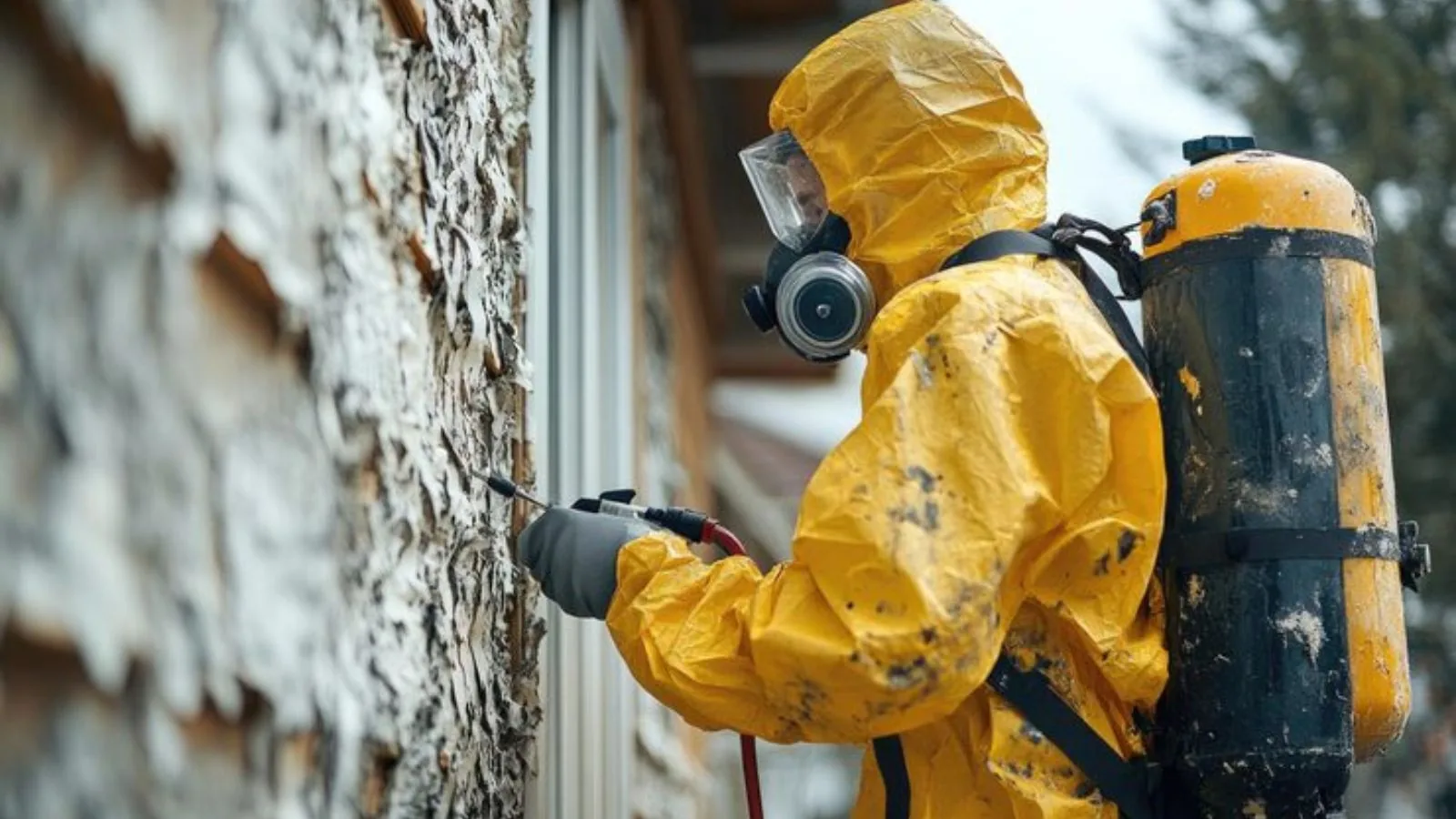
Mold remediation in Huntingdon Valley, PA means containing mold growth, removing or cleaning affected materials and drying the space so growth does not restart. It follows ANSI/IICRC S520, the published industry standard for mold remediation. This is the secondary service on this site and follows water damage, since mold needs moisture to grow.
We do not diagnose health effects, and questions about symptoms belong with a physician. This page explains the process. For water that has not yet grown mold, start with structural drying.
Spots on a wall, a closet or under the carpet?
People rarely search for remediation language. They search for dark spots in a bathroom corner, a musty closet, growth behind a piece of furniture or discoloration after carpet was lifted. Those are signs of moisture and possible growth.
Do not scrub it dry or disturb it. Take photos, note the leak and call.
Mold needs moisture
Mold grows where materials stay damp. Common places are bathrooms, closets next to a leaking wall, behind furniture on cold walls, under sinks and in basements and crawl spaces. EPA guidance says drying wet materials within 24 to 48 hours generally prevents growth.
Finding and fixing the moisture comes first. Cleaning mold without fixing the leak leads to regrowth.
| Place | Usual moisture source | First step |
|---|---|---|
| Bathroom | Shower, fan or supply leak | Fix source, assess |
| Closet | Wall or AC leak | Check behind walls |
| Under carpet | Spill or flood | Lift, dry, assess |
| Basement | Seepage | Dry, then assess |
Testing, inspection and clearance
Testing is separate from removal. An independent inspector can sample and report, and clearance testing after remediation shows whether the area meets the plan's goals. The inspector should be independent from the company doing the removal.
Ask whether your state licenses mold work and who can do testing. We do not diagnose health issues and we do not promise any particular result.
How remediation works
- 1
Fix the moisture
The leak or humidity source is found and repaired.
- 2
Contain
Plastic barriers and air filtration keep spores in place.
- 3
Remove
Affected porous materials are removed.
- 4
Clean
Hard surfaces are cleaned with HEPA vacuums and wiping.
- 5
Dry and verify
Readings confirm dry materials.
Mold follows moisture. Call (833) 521-1033 to have it assessed.
Call (833) 521-1033Home sales, loans and landlords
Sometimes a buyer's lender or inspector asks for mold to be addressed before closing. Remediation and independent clearance documentation can support that, but we make no promise about lender acceptance. A landlord or condo board may have its own process. Ask your agent, lender or association what they require.
What the standard covers and what it does not
ANSI/IICRC S520 describes how mold remediation should be planned, contained, performed and verified. It focuses on conditions, such as how much of a building is affected and whether the water source was fixed, and it does not hand out health claims. A written scope and a clear end point are what separate a real job from a surface wipe.
Mold on a hard surface can often be cleaned. Mold in porous material such as drywall, insulation, carpet and pad is usually removed, because it grows into the material.
Preparing for the crew
- Keep people and pets out of the affected room.
- Do not run fans toward the area, which can spread spores.
- Do not cut into the wall yourself.
- Note when you first saw it and where the water came from.
- Keep photos and any inspector reports together.
After the work: clearance and rebuilding
After removal and cleaning, the area is dried and checked. If an independent inspector is involved, they test to see whether the area meets the goals set in the plan. Only then does rebuilding start, with new drywall, paint and trim.
If humidity is what caused the growth, a bathroom fan, a dehumidifier or a vent fix may be part of the answer. Otherwise the same conditions come back.
What changes the cost of mold remediation work
Area
More affected area means more containment.
Materials
Porous materials are removed.
Moisture source
Fixing it is a separate trade.
Testing
Independent testing is separate.
Rebuild
Drywall and finishes follow.
Scope and price are explained before any removal begins. Call (833) 521-1033 and say where the growth is.
Mold and insurance
Mold coverage varies. Many policies cover mold only when it follows a covered water loss, and some limit it. Read your policy and ask your insurer.
Readings, photos and a scope are handed over at the end. Your insurer decides coverage.
Questions people ask
Can I clean mold with bleach?
It is not a reliable fix. Moisture must be addressed.
Do I need testing?
Sometimes. An independent inspector decides.
Will it come back?
If moisture returns, it can. Fixing moisture matters.
Does the state license mold work?
Ask whether your state licenses mold work.
Is it safe to stay?
Questions about health belong with a physician.
We handle mold remediation in Huntingdon Valley (ZIP 19006) and nearby Bryn Athyn, Jenkintown and Southampton. If a leak is still active, see water extraction.