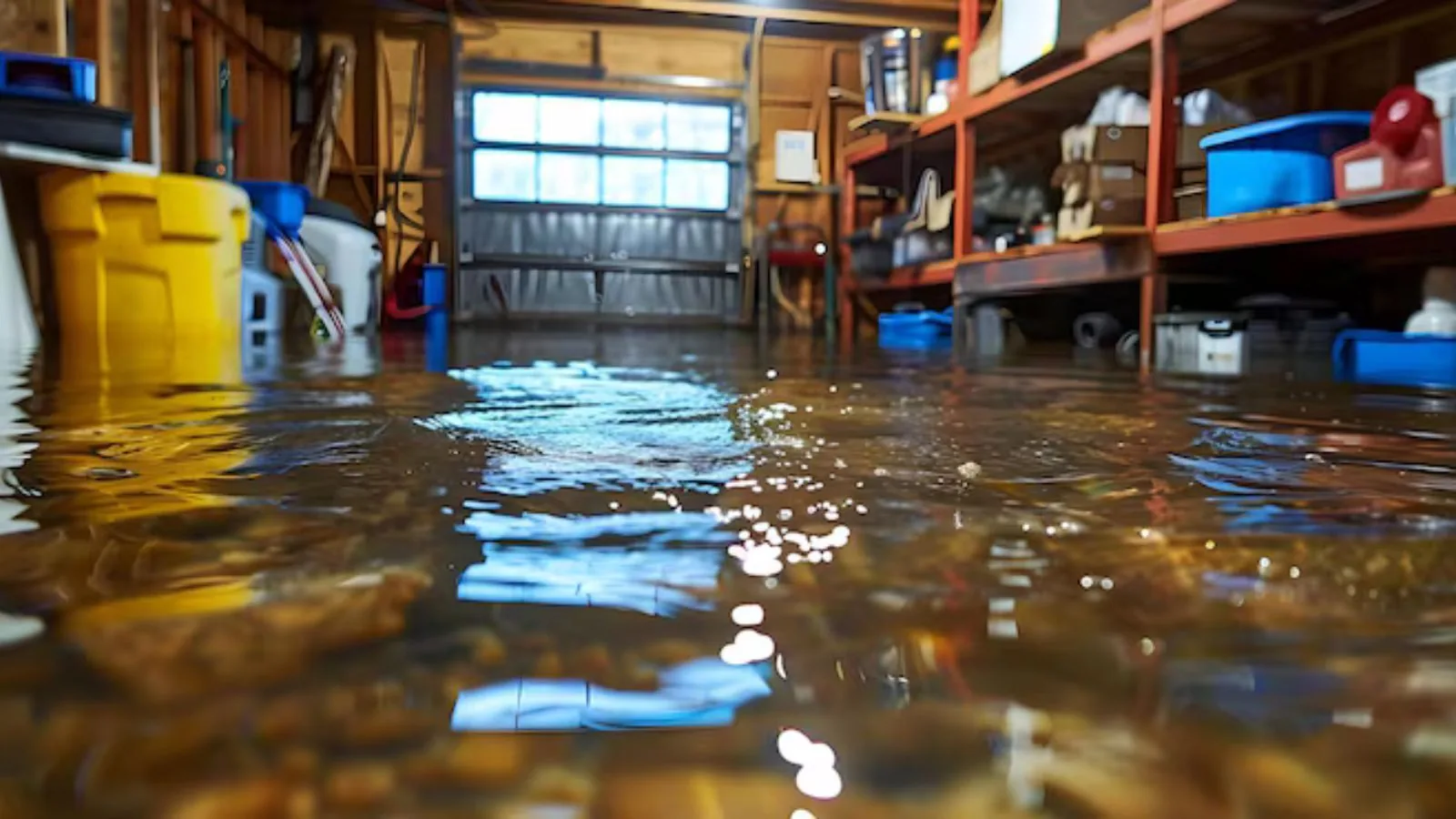
Water damage and home sales mix in two ways. A buyer may find evidence of an old leak during an inspection. A seller may repair a loss shortly before listing. In both cases, honest records matter more than a perfect history.
This is a general guide and not legal advice. A real estate attorney or your agent can tell you what to disclose for your property.
Disclosure in Pennsylvania
Pennsylvania's Real Estate Seller Disclosure Law requires most sellers of residential property to complete a property disclosure statement about known conditions. The form asks about items such as water or moisture in the basement, drainage and past repairs. Sellers must answer based on what they actually know.
Hiding a known problem can lead to legal trouble after closing. Disclosing a problem that was fixed properly is often much less damaging than a buyer discovering it later.
Good records help every sale. Call (833) 521-1033.
Call (833) 521-1033Records that help
Keep documents about each loss from start to finish. They show what happened and how it was handled.
- The date and cause of the loss.
- Photos taken before and after repair.
- Drying logs and final moisture readings.
- The restoration company's invoice and scope.
- Permits and final inspections for any rebuild.
- Insurer correspondence about the claim.
Repair before listing or sell as is
Some sellers fix a problem before listing so the buyer sees a clean home. Others sell as is and price accordingly. Both approaches can work, and each has trade-offs.
Repairing with documentation often reassures buyers. Selling as is can save time but may lower the price, and buyers still expect an honest disclosure.
| Option | Upside | Trade-off |
|---|---|---|
| Repair and document | Fewer buyer concerns | Upfront cost and time |
| Sell as is | Faster, no repair work | Lower price, more negotiation |
| Credit at closing | Buyer handles repairs | Buyer may overestimate cost |
What buyers and inspectors look for
Inspectors check for staining, musty smells, efflorescence on basement walls, soft flooring and moisture readings. A history of drying and repair with records helps them see an old problem as a closed one.
If an inspection finds new moisture, a moisture assessment by a restoration company can show whether it is active.
Mold and lender questions
Sometimes a buyer's lender or inspector asks that mold be addressed before closing. Remediation with independent clearance documentation can support that request, but we cannot promise any lender will accept it. Ask your agent what the lender needs.
Talking to your agent early
Bring your records to your listing agent before the house goes on the market. An agent can help you decide how to present past repairs and what buyers are likely to ask. Surprises during an inspection are harder to manage than facts shared at the start.
If you are unsure what to disclose, a real estate attorney can review the form with you. A short consultation costs far less than a dispute after closing.
Insurance history and buyers
Buyers sometimes check a property's claims history through a report their insurer pulls. A past water claim can affect the price or availability of coverage, depending on the insurer. A claim that was fixed and documented properly is easier to explain than a loss that never got repaired.
Ask your own insurer how your claim history is recorded, so you know what a buyer might see.
Preparing the house for showings
Before listing, check for lingering signs of water damage, such as stains, musty smells and soft spots. Clean what you can, and fix what you can. A moisture reading that shows dry framing is a useful document to hand to a buyer's inspector.
Do not paint over a stain without knowing why it is there. A fresh patch of paint on an old stain can look like concealment.
A short checklist before listing
Taking these steps early gives you a cleaner story and a faster negotiation when a buyer's inspector asks questions.
- Locate every repair record, invoice and permit.
- Confirm moisture readings are normal in the affected areas.
- Fix active leaks and recurring drainage problems.
- Ask your agent how to answer the disclosure form.
- Keep your photos organized by date and room.
Local context
In the Huntingdon Valley area, basements and drainage are common topics in home inspections, especially after storms like the July 2025 flash flooding in Lower Moreland. Buyers may ask about flood history in general.
Keeping your records, including photos from a storm and any repair paperwork, gives you a clear answer to those questions.
Questions people ask
Do I have to disclose a repaired leak?
Pennsylvania's form asks about known problems and repairs. Talk to your agent or attorney about how to answer for your house.
Does water damage lower the sale price?
It can, depending on severity, repair quality and market conditions. Documentation helps.
Should I get a moisture inspection before listing?
It can be useful if you suspect a hidden problem. A clean reading is a helpful record.
What if the buyer finds mold?
Mold can slow a sale. Remediation with clearance documentation helps, and your agent can guide negotiations.
Can I sell a house that flooded?
Yes. Flood history may affect insurance and lending, so share what you know and get advice.
For water issues before listing, structural drying can document that moisture is resolved, and mold remediation handles growth. We serve Jenkintown and Southampton as well as Huntingdon Valley. Call (833) 521-1033 to ask about documentation.