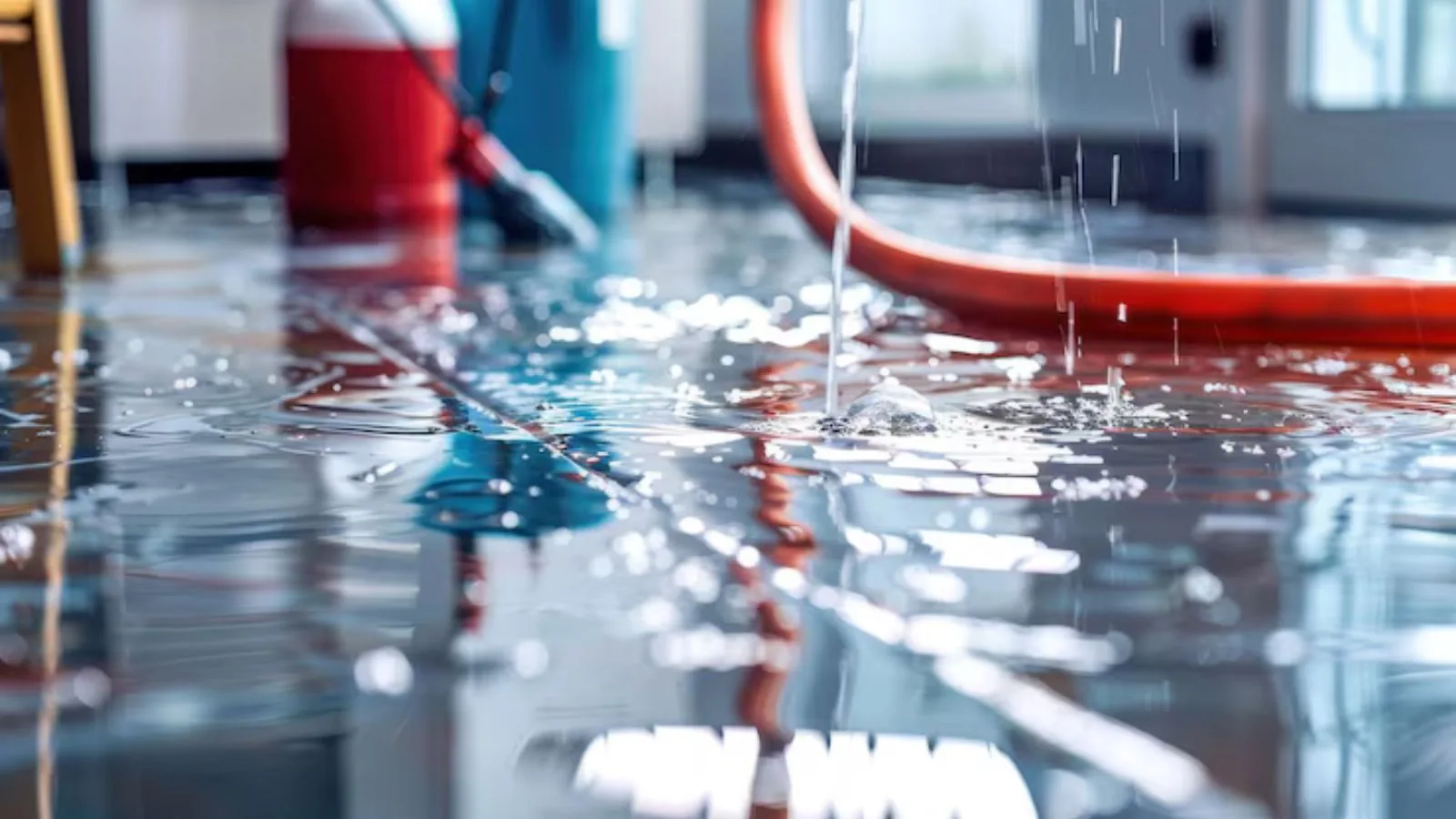
A water bill that jumps without an obvious reason is worth a closer look. The cause can be a running toilet, a leaking irrigation line, a failing fixture or a hidden pipe leak. Some of these waste a lot of water without leaving any visible puddle.
This guide covers the simple checks homeowners can do and explains when a leak starts to be a water damage problem.
How much water a leak can waste
The EPA estimates that a typical household loses nearly 10,000 gallons of water a year to leaks, and that about 10 percent of homes have leaks wasting 90 gallons a day or more. A toilet flapper that does not seal is one of the most common sources.
Because the water often goes straight down the drain, you may never see it. The bill is the first sign.
Leak found, damage found. Call (833) 521-1033.
Call (833) 521-1033The meter test
- 1
Turn off all water
Close taps and stop appliances such as the dishwasher and washer.
- 2
Read the meter
Note the number and the position of the small leak indicator.
- 3
Wait 30 minutes
Use no water at all during this time.
- 4
Read again
If the number or indicator moved, water is flowing somewhere.
- 5
Check the main shutoff
Close the main valve and read again to separate the house from the service line.
Common culprits
The table lists frequent sources and a quick way to check each. Some need a plumber, which is a separate trade from restoration.
| Source | Quick check | Who fixes it |
|---|---|---|
| Running toilet | Add dye to the tank and watch the bowl | Homeowner or plumber |
| Dripping faucet | Look and listen at each fixture | Homeowner or plumber |
| Irrigation line | Check the system and valves | Irrigation or landscape contractor |
| Water heater | Look for rust, dampness or a leaking relief valve | Plumber |
| Hidden pipe leak | Meter moves with fixtures off | Plumber, then drying |
| Slab or underground line | Warm spots, sound of running water | Plumber or leak detection |
When it becomes water damage
A hidden leak inside a wall or under a floor can soak materials long before the bill notices. Signs include a musty smell, staining, swollen baseboards, cupped flooring or a warm patch on the floor. If you find these, call a plumber to stop the leak and a restoration company to dry what got wet.
Drying without fixing the leak is pointless, and fixing the leak without drying leaves mold risk behind.
Talk to the water utility
Many utilities will review your usage history and can say whether the jump looks like a leak. Some have leak adjustment policies for certain situations, but they vary. Ask yours what they offer and what documentation they need.
Seasonal reasons for a higher bill
Not every jump is a leak. Summer lawn watering, a filled pool, houseguests and a new appliance can all raise use. Compare the bill with the same month last year, not just last month. If your usage rose and you cannot explain it, run the meter test.
Estimated bills can also cause jumps. If the utility could not read your meter and then caught up, the bill may reflect several months at once.
Fixing a toilet leak
A toilet that runs often has a worn flapper or a fill valve that needs adjusting. These parts are inexpensive and easy to replace with a few tools. Turn off the supply, flush to empty the tank, and replace the part following the package directions.
If the toilet keeps running after a new flapper, the flush valve seat may be worn, and a plumber can help.
Hidden leaks and building damage
Pipes inside walls, ceilings and slabs can leak for weeks before a stain shows up. The warning signs are a meter that moves with everything off, a spot of warm floor, sounds of running water, a damp smell and sudden mold. Do not wait for the stain.
When a plumber finds the leak, ask the restoration company to measure the surrounding materials. Wet insulation, drywall and subfloor can hold moisture long after the pipe is fixed.
Water service in this area
Aqua Pennsylvania supplies water in Lower Moreland and Abington Township, and other utilities serve nearby communities. Your bill will say which utility you have, and its customer service number is on the statement.
Ask about both the meter location and whether it has a leak indicator. Many homeowners are surprised to find the meter in a pit near the street.
Questions people ask
Could the meter be wrong?
Meters can fail, but a leak is more likely. Run the meter test before you call the utility.
How fast do toilet leaks waste water?
A toilet that keeps running can waste a lot of water over a day. Dye testing finds many silent leaks.
Will insurance cover a leak that raised my bill?
Policies often exclude the cost of water lost through a leak, and cover resulting damage depending on the cause. Ask your insurer.
What if the leak is under the slab?
Call a plumber or leak detection specialist. If the slab area is wet, our slab leak water damage page explains the cleanup side.
Does the utility fix leaks inside my house?
No. Utilities handle their own lines up to the meter. The pipes inside are your responsibility.
If a leak has already wet the structure, water extraction and structural drying are the next steps. We serve Bryn Athyn and Southampton as well as Huntingdon Valley. Call (833) 521-1033 if the leak has caused damage.