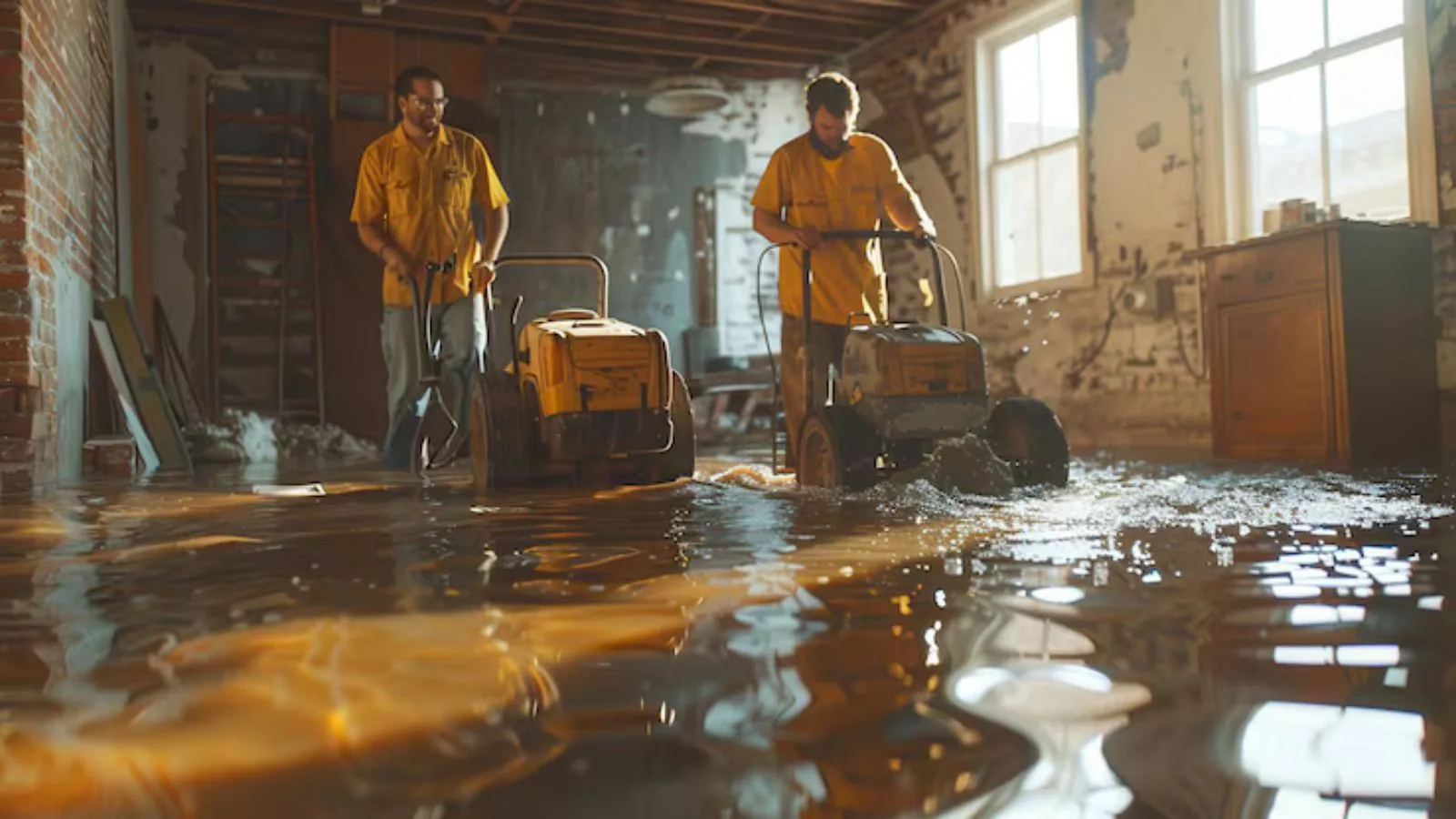
When water damage hits a rental home, the first question is who handles what. Tenants worry about their belongings and whether they can stay. Landlords worry about the building, repair costs and liability. Clear communication and records cut down on disputes.
This is general information, not legal advice. Pennsylvania landlord and tenant rules, your lease and local rules all matter. A tenant advocate or attorney can give advice for your situation.
What tenants should do first
- Stop the water if you can safely reach the shutoff, and tell the landlord right away.
- Report the problem in writing, with the date and time.
- Photograph and video the damage and your belongings.
- Move valuables out of harm's way.
- Keep receipts for any emergency costs.
Report in writing, dry fast. Call (833) 521-1033.
Call (833) 521-1033What landlords usually handle
The landlord is generally responsible for the building and its systems, including stopping the source and arranging repairs and drying. Pennsylvania courts recognize an implied warranty of habitability, from the 1979 case Pugh v. Holmes, which means a home must be fit to live in.
Prompt action also protects the landlord. Water left in the walls grows into a larger and more expensive problem.
Who pays for what
Insurance responsibilities usually split. The landlord's policy covers the building. A tenant's renters insurance covers their belongings and may cover extra living costs if the home is unlivable. Landlord policies typically do not cover a tenant's property.
| Item | Usually the landlord | Usually the tenant |
|---|---|---|
| Building structure and drywall | Yes | No |
| Plumbing and appliances provided | Yes | No |
| Tenant furniture and clothing | No | Yes, via renters insurance |
| Temporary housing costs | Depends on lease and policy | Depends on policy |
| Damage caused by the tenant | Landlord may seek payment | Tenant liability may apply |
Rent and staying in the unit
If the unit is unlivable, ask the landlord in writing about rent and temporary housing. Do not stop paying rent on your own without advice. In Pennsylvania, withholding rent has rules, and doing it wrong can lead to eviction. A legal aid organization can explain what applies.
Documentation for both sides
Keep a shared timeline. Dates of reports, photos, drying logs, repair invoices and emails create a record. If a dispute arises over cause, timing or cost, that record resolves it more quickly than recollection.
Lease terms that matter
Leases often address repairs, notice, access and renters insurance. Read the sections on maintenance and emergencies. Some leases require tenants to carry renters insurance, which protects belongings and can cover temporary housing if a covered loss makes the unit unlivable.
If the lease is silent on an issue, Pennsylvania law and local rules fill the gap. A tenant advocate or legal aid group can explain how.
Multi-unit buildings and neighbors
In apartment buildings and townhomes, water can travel through floors, walls and shared plumbing to other units. Landlords or property managers coordinate drying across units, and tenants may need to give access to the crew on short notice.
Be cooperative but keep records of when the crew visited, which rooms were affected and what was moved.
Moving out and security deposits
If damage forces a move or affects the deposit, ask the landlord in writing how the damage will be treated. Take photos of the unit's condition at move out. Pennsylvania law has rules on how and when landlords must return deposits, and a legal aid group can explain them.
Keep copies of everything. A clear record is the strongest protection for both sides.
A quick timeline for a rental loss
A clear timeline lowers stress for both parties and gives you a record if a disagreement comes up.
- 1
Hour one
Stop the water if safe, and tell the landlord by phone and in writing.
- 2
Day one
Document everything and call your renters insurer.
- 3
Days two to five
Cooperate with drying and note which rooms were treated.
- 4
Week two
Confirm repair schedules and any rent or housing arrangements in writing.
- 5
After repairs
Check the unit for lingering damp, smells or stains and report them quickly.
When the landlord or tenant disagree
Disputes usually come down to cause and timing. Did the tenant report promptly? Did the landlord respond? Was the cause a plumbing failure or something the tenant did? Photos, dates and drying records answer many of these questions.
If talks stall, local mediation services, legal aid organizations and the district court system are options. Start with a written summary of what happened and what you are asking for.
Rentals in our service area
Huntingdon Valley, Jenkintown and the surrounding townships have a mix of single family rentals, apartments and multi-unit buildings. In buildings with shared walls and floors, one unit's leak can affect others, which makes fast reporting and drying more important.
Jenkintown, with more than 2,000 housing units in about six tenths of a square mile, is one place where a leak in one unit can easily reach a neighbor.
Questions people ask
Can a tenant hire a restoration company?
Usually the landlord arranges it. A tenant can call about their own belongings, but should coordinate with the landlord.
Who calls the insurance?
Landlords for the building, tenants for their belongings.
What if the landlord does nothing?
Document, write again, and ask a legal aid group or local housing office for advice.
Does renters insurance cover mold?
It depends on the policy. Check the personal property and mold wording.
Can a landlord enter to dry the unit?
Leases and Pennsylvania notice rules shape this. Emergencies are often handled differently from routine entry.
For the building side, water extraction and structural drying are the usual first steps. We serve Jenkintown and Southampton as well as Huntingdon Valley. Call (833) 521-1033 when a rental needs drying.