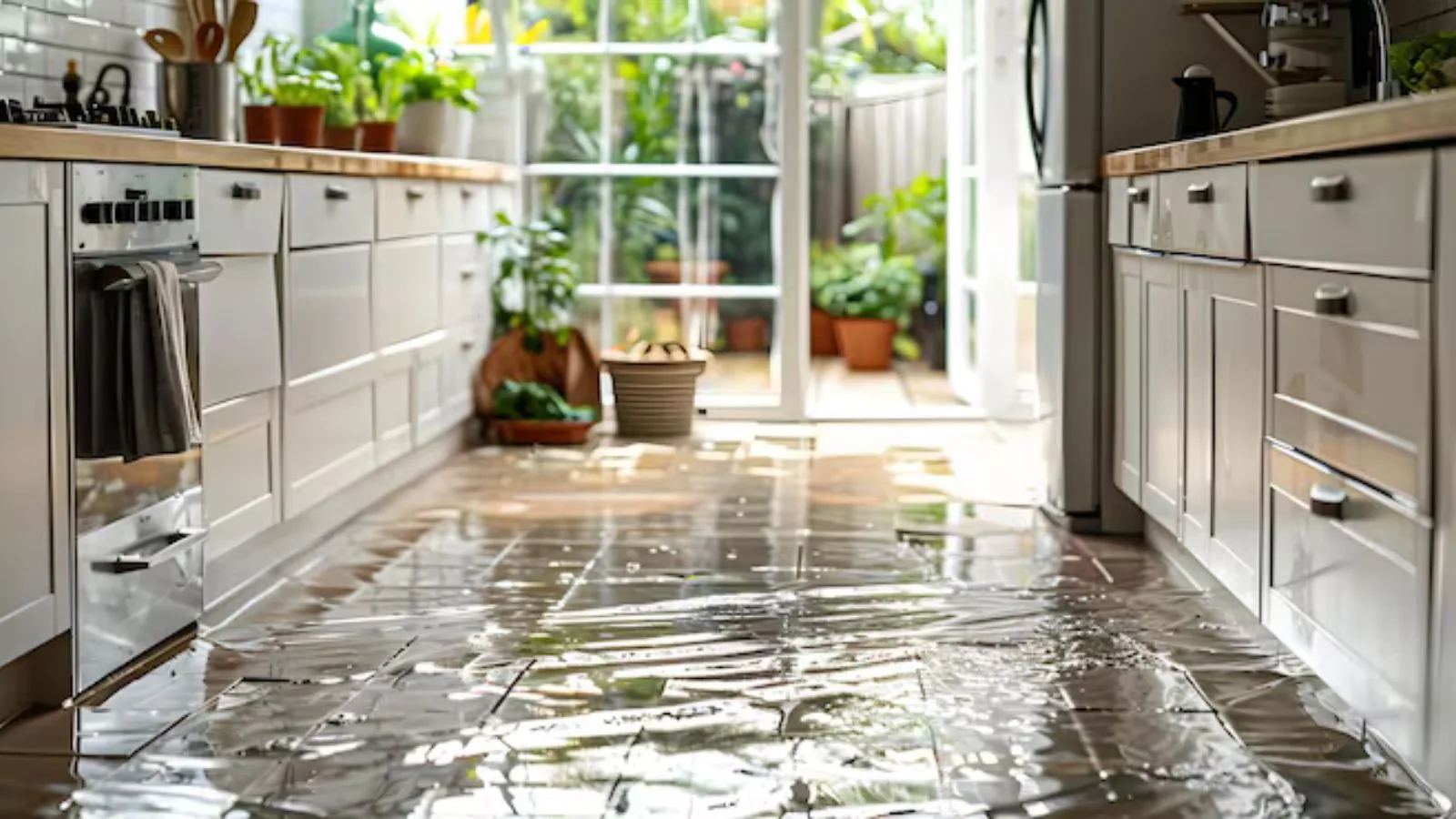
Water and electricity are a bad combination, and the first rule is about your safety, not your phone. Do not reach into standing water to unplug a device. Do not touch a wet outlet or power strip. If water reached the panel or outlets, leave the area and call your electric utility or 911 if there is any hazard.
Once the area is safe, the question becomes what to do with devices that got wet. The answer depends on how wet they got and what they were doing when it happened.
Safety before devices
- Stay out of standing water if outlets or cords are submerged.
- Turn off power at the panel only if you can reach it while dry.
- Do not use a wet vacuum near live outlets.
- Call the utility or 911 for sparking, buzzing, burning smell or any electrical hazard.
- Let an electrician check wet outlets and panels before restoring power.
Safe first, dry second. Call (833) 521-1033.
Call (833) 521-1033What to do with small devices
For phones, tablets and laptops that fell in clean water, power them off right away, and do not try to turn them back on. Remove the case and battery if you can. Wipe the outside and let air flow around the device.
The old advice about rice is weak. Rice does not pull water out of circuits well, and a dry location with airflow is better. A repair shop can open the device and clean corrosion, which is the real problem.
Larger electronics and appliances
Televisions, computers, game consoles and appliances that got wet should stay unplugged until a technician checks them. Water inside a device can leave residue that causes corrosion and short circuits days later. A device that seems to work may fail later.
Anything that touched sewage or floodwater should be treated as contaminated, and handled with gloves.
| Device | Do this first | Avoid |
|---|---|---|
| Phone or tablet | Power off, remove case, dry exterior | Charging it or using a hair dryer |
| Laptop | Power off, unplug, remove battery if possible | Opening and pressing keys while wet |
| TV or monitor | Unplug if the area is safe, let it dry | Turning on to test it |
| Major appliance | Leave unplugged, call a technician | Running a wet cycle |
| Power strip or cord | Replace | Reusing after submersion |
| Lithium battery pack | Move to a dry non-flammable spot | Charging a swollen battery |
Batteries and fire risk
Lithium ion batteries from e-bikes, scooters, tools and phones can overheat after water exposure. A swollen, hot or smoking battery is a fire risk. Move it outdoors to a non-flammable surface only if it is safe to do so, and call 911 if there is smoke or fire.
Do not charge a battery that has been submerged.
Documenting for insurance
Photograph each device and its serial number before disposal. Keep damaged items until your adjuster says otherwise, and keep receipts for any repair attempts. Many policies cover electronics under personal property limits, and the exact terms are in your policy.
Wiring, outlets and the panel
Water that gets into walls can reach outlets and wiring even when the room looks dry. Outlets near the floor, switches and light fixtures below a ceiling leak all deserve a check. An electrician can test for moisture and verify that circuits are safe to use.
Do not reset a tripped breaker repeatedly or use an extension cord to bypass a dead outlet. A tripped breaker after water exposure is a sign something is wrong.
Drying and saving the data
If the device holds important data, your strongest chance is to stop using it and take it to a data recovery or repair specialist. Do not plug it in to see if it works. Power can short a wet board, and drives that were spinning when water arrived can be damaged.
Cloud backups make this less stressful. If you do not have one, plan to set one up as soon as you are back up and running.
Basements, home offices and server closets
Many Huntingdon Valley homes use basements for offices, entertainment rooms and electronics. After a leak or storm, check what is plugged in at floor level before you touch anything. Outlets near a floor can be a hazard even after the visible water is gone, because moisture can sit behind the wall.
Electrical work belongs to a licensed electrician. We dry the structure, and the electrician clears the circuits.
Questions people ask
Is it safe to unplug a device in a wet room?
Only if the floor is dry where you stand and the outlet and cord are dry. Otherwise leave it and shut off power at a dry panel.
How long should I wait before powering a device on?
A repair shop can say. For most devices, a long wait with no power and a technician check is the safer plan.
Can a restoration company fix electronics?
We dry buildings and contents. A repair shop or manufacturer handles the device itself.
Do I need an electrician after water damage?
If water reached outlets, switches or the panel, yes. Have it checked before restoring power.
What about my sump pump or water heater?
Those have their own steps. Call the 24/7 line and describe it.
Once the area is safe, water extraction and structural drying handle the rest. We serve Southampton and Bryn Athyn as well as Huntingdon Valley. Call (833) 521-1033 after you have made the area safe.