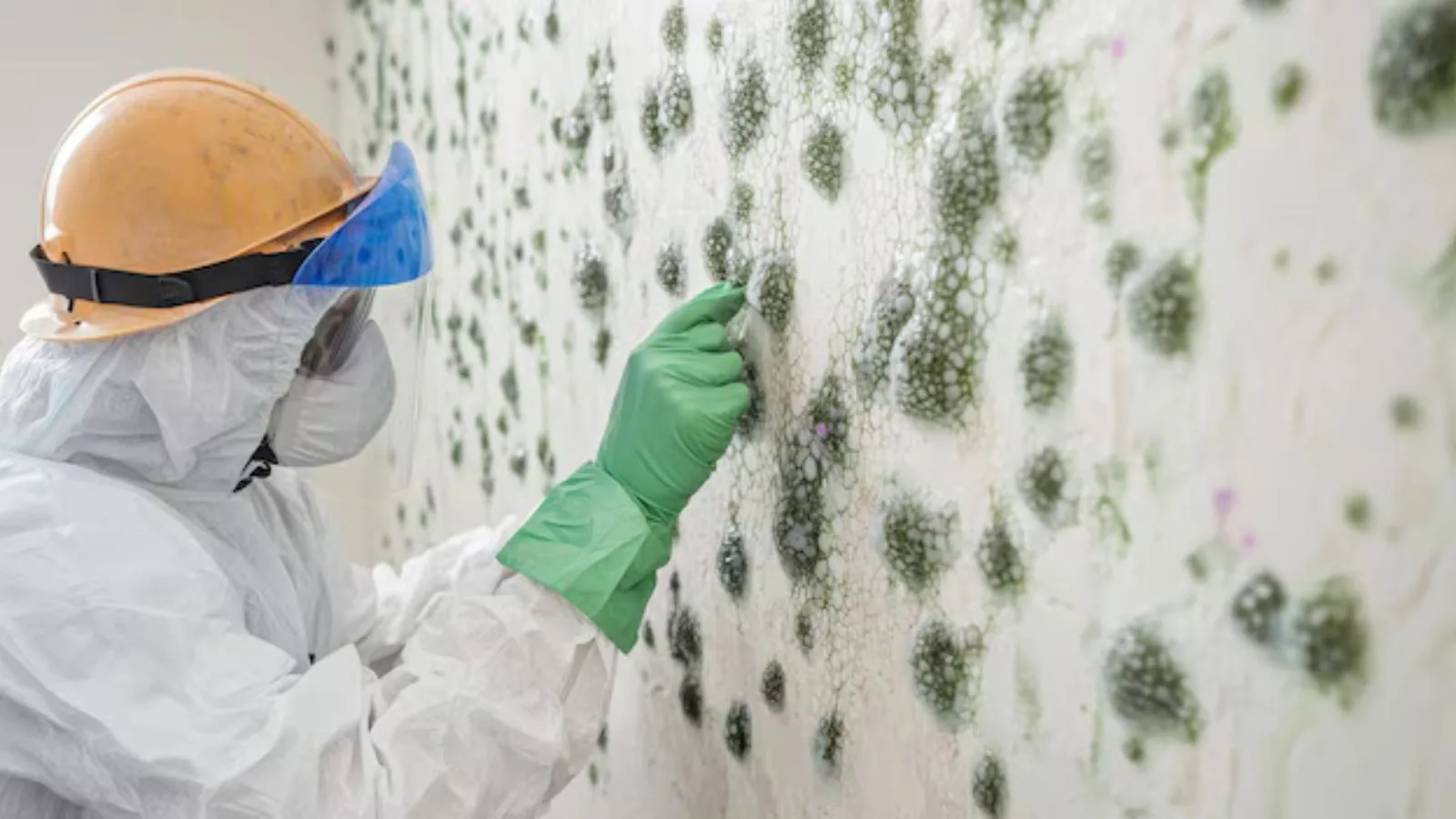
Mold remediation is the planned removal or cleaning of mold growth in a building, along with correcting the moisture problem behind it. The goal is to return the space to a normal fungal condition, which means the kind of low background mold found in ordinary indoor air. It does not mean a space with zero spores, because no home is without spores.
The industry reference is ANSI/IICRC S520, the standard for professional mold remediation. This guide explains the stages in plain words. For the service itself, see our mold remediation page.
Why moisture comes first
Mold needs water. Spores are already in the air of every house, and they grow when a surface stays damp, generally for more than a day or two. EPA guidance says drying wet materials within 24 to 48 hours usually prevents growth.
A remediation plan that skips the water source fails. Wiping a bathroom ceiling does nothing if a fan vents into the attic and the moisture keeps arriving. The first question is always where the water is coming from.
Moisture comes first, then the mold. Call (833) 521-1033 for an assessment.
Call (833) 521-1033The stages of a remediation job
- 1
Assessment
Someone looks at the extent, the materials and the moisture source, and writes a scope.
- 2
Containment
Plastic barriers and negative air keep disturbed spores from moving into clean rooms.
- 3
Removal
Mold in porous materials such as drywall, insulation and carpet is usually removed and bagged.
- 4
Cleaning
Hard surfaces are cleaned with HEPA vacuums and damp wiping.
- 5
Drying and verification
Moisture readings confirm the area is dry before anything is rebuilt.
What removal and cleaning mean
Porous materials absorb mold growth into their structure, so cleaning the surface does not fix them. Wet drywall with growth is cut out. Hard surfaces such as wood framing, glass and metal can often be cleaned and kept.
Dry fogging and surface sprays are not substitutes for removal and cleaning. A sealant or paint over active growth also hides the problem instead of ending it.
Testing, inspection and clearance
Testing and remediation are different jobs. An independent inspector can sample air or surfaces and write a report, and clearance testing after work shows whether the area meets the goals in the plan. The inspector should be independent from the company doing the removal, which avoids a conflict of interest.
Not every job needs testing. A small, clearly visible spot on a bathroom wall may not. Ask the person writing your plan when testing is useful and when it adds cost without adding information.
Remediation versus restoration
People use the words loosely, but they describe different work. Restoration after a water loss follows S500 and focuses on drying and repairing. Remediation of mold follows S520 and focuses on containment, removal and cleaning. A single loss can need both, in order, with the water stopped first.
| Term | Focus | Reference standard |
|---|---|---|
| Water damage restoration | Extract, dry and repair after water | ANSI/IICRC S500 |
| Mold remediation | Contain, remove and clean mold growth | ANSI/IICRC S520 |
| Mold testing | Sample and report on conditions | Done by an independent inspector |
What a written remediation plan should say
A plan is the difference between a job and a guess. It should name the affected area, the materials to be removed, the containment method and the cleaning steps. It should also state the goal, which is usually a normal fungal condition, and how that goal will be checked.
Ask whether the plan separates removal from rebuild, and whether it says what happens if hidden growth is found once a wall is open. A plan that cannot answer those questions is not yet a plan.
What remediation does not include
Remediation does not include fixing the plumbing, the roof or the gutters that caused the moisture. Those are separate trades, and they matter as much as the cleanup. It also does not include health advice, legal opinions or claims about future results.
If a company promises that mold will never return, treat that as a warning. Honest providers describe what they will do and how they will verify it.
Mold and Huntingdon Valley housing
Pennsylvania summers are humid, and a basement or crawl space that stays damp after a storm can grow mold quickly. After the July 2025 flash flooding in Lower Moreland, water that sat in finished basements is the kind of condition that shortens the window for drying.
If you have had water in the house, check the usual places for a musty smell: behind furniture on outside walls, inside closets and under flooring. Early drying avoids the need for remediation in the first place.
Questions people ask
Can I remediate mold myself?
EPA guidance treats small areas, around 10 square feet or less, as something a homeowner can handle with care. Larger areas, hidden growth or anything tied to sewage call for a professional.
Does remediation include a health assessment?
No. We do not diagnose health effects. Questions about symptoms belong with a physician.
Will mold come back after remediation?
It can if moisture returns. Fixing the water source and verifying dry materials are part of the plan, but no company can promise growth will never recur.
What is clearance testing?
It is a test after remediation to see whether the area meets the plan's goals, and it is better done by someone independent of the remediation crew.
Does Pennsylvania license mold remediation contractors?
Ask the contractor and the state what applies, because licensing rules can change. A contractor should be willing to explain its qualifications and scope in writing.
If you see growth after a leak, our mold remediation team can assess the area, and structural drying is the step that stops new growth. We serve Southampton and Jenkintown as well as Huntingdon Valley. Call (833) 521-1033 to talk it through.