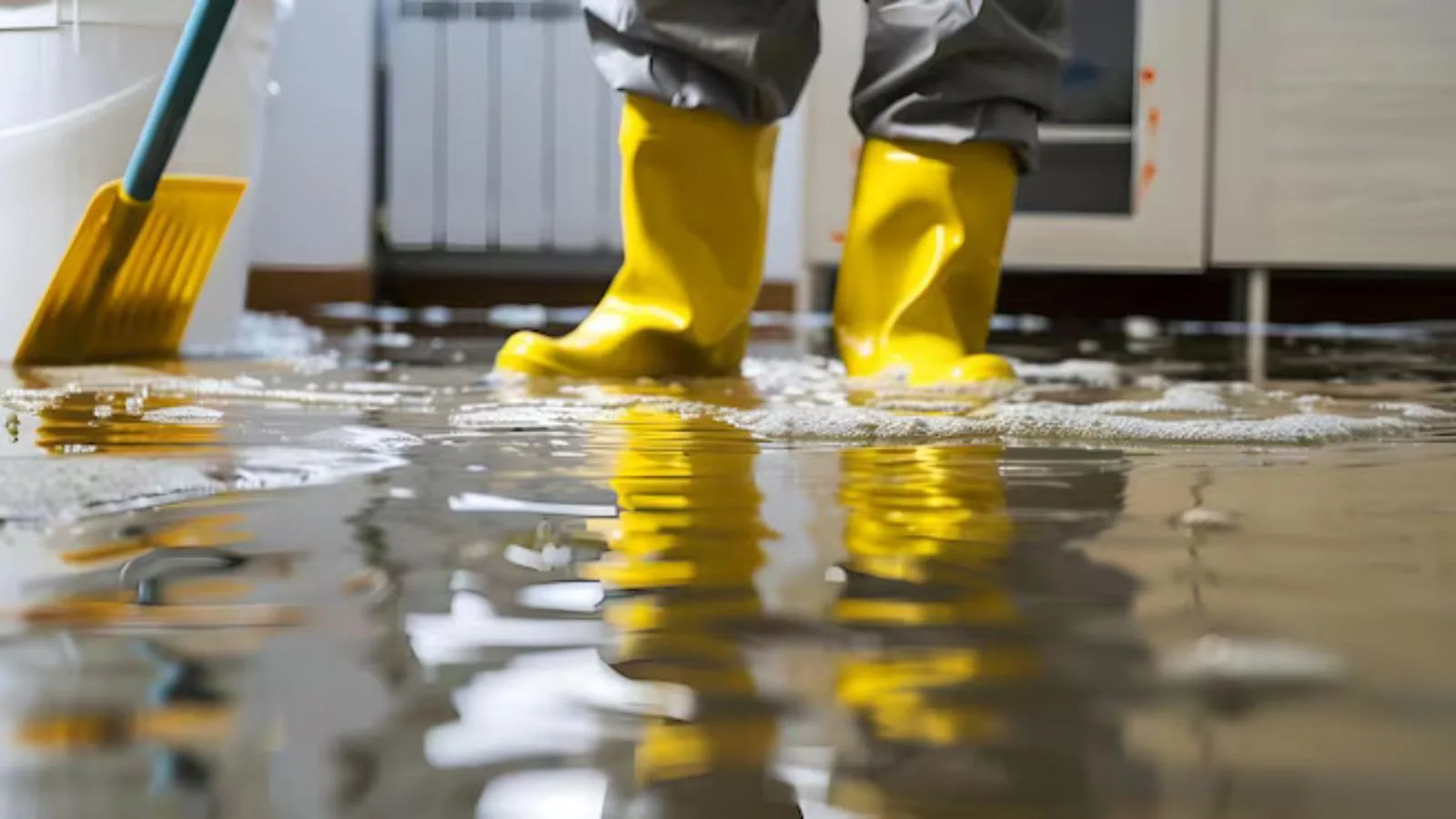
After a leak or flood, the hardest part is often the pile of wet belongings. People either throw out too much, losing things that could be cleaned, or keep too much, living with items that carry bacteria or mold. This guide gives a simple way to sort, based on how contaminated the water was and what each item is made of.
Before you discard anything of value, photograph it and write it down. Your insurer may want a list of what was lost, and a photo is easier than a memory.
Sort by water category first
Clean water from a supply line allows the most saving. Water from a dishwasher or washer overflow is used water, and items should be cleaned more carefully. Sewage or floodwater is grossly contaminated, and porous items that touched it are usually thrown away.
Time matters too. Items that stay wet for more than a day or two can grow mold even if the water was clean.
Photograph first, sort second. Call (833) 521-1033.
Call (833) 521-1033A sorting table by material
The table shows how many people sort things. Use it as a starting point, and talk to your insurer or restoration company about valuable or sentimental items.
| Item type | Clean water | Contaminated water |
|---|---|---|
| Hard plastic, glass, metal | Clean and keep | Clean and sanitize, often keep |
| Solid wood furniture | Dry and keep | Often cleaned, check finish |
| Upholstered furniture | Dry fast, often keep | Usually discard |
| Mattresses and pillows | Often discard if soaked | Discard |
| Carpets and rugs | Dry, sometimes keep | Usually discard |
| Books and paper | Freeze or dry quickly | Usually discard |
| Food and medicine | Discard if touched by water | Discard |
Food and kitchen items
Throw away any food that touched floodwater or sewage, and any item that cannot be sanitized. Canned goods can sometimes be saved if the cans are undamaged. Remove labels, wash the cans and sanitize them according to public health guidance.
Dishes and metal pots that touched contaminated water can be washed and sanitized, but items with porous handles or worn surfaces are harder to clean. Wooden cutting boards and utensils are usually discarded after contaminated water.
Clothing and fabrics
Washable clothes soaked in clean water can be laundered. Hot water helps, and so does fast drying. Items that smell musty after washing may have mold in the fibers, and are worth discarding or taking to a specialist.
Dry clean only items, leather and suede take more care. Photograph, then ask a cleaner who handles water damage whether they can be saved.
What to document before you throw things out
- Take a photo of each item or group before moving it.
- Write a short list with description, age and approximate value.
- Keep one example of a large item, such as a sample of carpet, if your adjuster asks.
- Save receipts for replacements.
Sentimental and valuable items
Some items matter more than their price, such as photographs, letters, heirlooms and keepsakes. Do not throw them out in the first hours. Move them to a dry area, keep them from touching other wet items, and ask for advice on the material. Many things can be cleaned that look hopeless at first.
For paper items, freezing buys time. For textiles, drying flat in the shade avoids shrinking. For wood and metal, wiping and drying quickly reduces damage.
Cleaning items you decide to keep
Use warm water and detergent to wash hard goods, and rinse them well. Sanitize items that touched used or contaminated water with a diluted household disinfectant, following the label and never mixing products. Let everything dry fully before storing it.
Wear gloves and eye protection when cleaning after a flood or sewage backup, and wash your hands often. Keep children and pets away from the area while you work.
When in doubt
If you cannot decide, set the item aside in a dry, ventilated place and ask. A restoration company can help you tell whether furniture is worth cleaning, and your insurer can tell you whether it is worth claiming. Deciding quickly matters, but deciding wrongly is worse than taking a day to ask.
A note on bulk pickup and disposal
Disposal rules differ by municipality. Lower Moreland, Bryn Athyn and Jenkintown each have their own trash and bulk pickup arrangements, so call your township or borough office before you put a flooded mattress or carpet at the curb. After a big storm, public works offices sometimes publish special pickup information.
Piling soaked items in the garage or basement while you wait invites mold, so decide quickly where they will go.
Questions people ask
Can wet drywall be saved?
Drywall that has been wet for more than a day or two is usually cut out. A moisture meter shows how far the water traveled.
What about photos?
Wet photos and papers can often be saved if you act quickly. See our separate guide on saving photos and documents.
Is clean water always safe?
Clean water becomes contaminated as it sits. After about two days, it is often treated as Category 2.
Do I need to throw out wet insulation?
Wet insulation is usually removed because it holds water and dries slowly.
Where do I get a list for my insurer?
Write your own as you go, and ask your adjuster whether they have a form. A photo with a written note is a good record.
When the question is how wet the structure still is, structural drying gives a reading and water extraction removes what is standing. We serve Jenkintown and Southampton as well as Huntingdon Valley. Call (833) 521-1033 with questions.